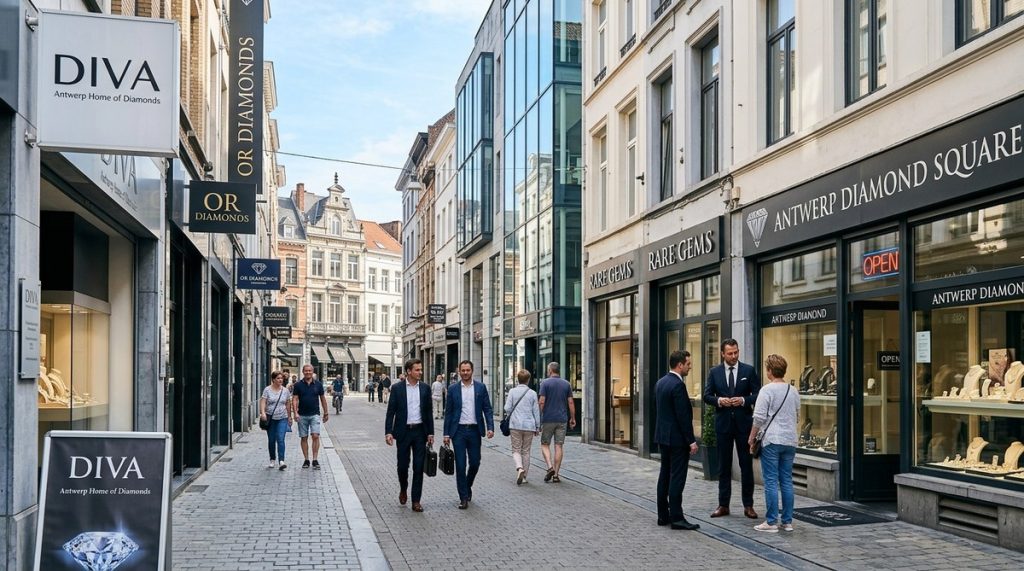
Antwerp’s Diamond District shines as one of the most famous shopping spots in Europe. For many visitors and locals, it is more than a place to buy a sparkler. It is a living museum of craftsmanship, trade, and centuries of history that helped craft Antwerp into the world’s diamond capital. If you are planning a trip to Antwerp and want to understand what makes the Diamond District so special, you are in the right place. This guide walks you through why Antwerp is synonymous with diamonds, where to go, how to shop smart, and what to expect as a traveler in this dazzling neighborhood.
Why Antwerp became a diamond capital
Antwerp earned its global reputation through a mix of geography, history, and steady trade lines. A natural harbor city, Antwerp welcomed merchants from all corners of the world. In the 15th century and continuing through the modern era, Antwerp became a hub for precious stones, metals, and luxury goods. The local industry developed a dense network of cutters, traders, and workshops that could turn rough stones into polished gems with skill and speed.
Two forces shaped the district in particular. First, the availability of raw stones from Africa and Asia created a supply chain that fed Antwerp’s workshops. Second, the city’s legal and commercial framework supported trust between buyers and sellers, which helped the district grow into a marketplace known for reliability. As centuries passed, Antwerp refined the craft and adopted rigorous standards for authentication and certification. Today the district remains a living reminder of those roots, attracting buyers from around the world.
Where to find the Diamond District in Antwerp
The Diamond District in Antwerp is a compact, walkable neighborhood that sits close to the city’s major transport hubs. Visitors can expect a dense cluster of showrooms, workshops, and offices tucked along a few main streets and side lanes. The area is easy to reach on foot from Antwerp Central Station, and many entrances feel like stepping into a hidden world of glistening stones and polished surfaces.
- Look for signage and storefronts that reference diamonds, precious stones, or the diamond trade
- Many shops cluster around a few interconnected streets and courtyards near the heart of the city
- Some venues specialize in loose stones, others in finished jewelry, and a few offer full design and engraving services
Tips for locating the district:
– Ask at your hotel or the tourist information desk for a walking route that starts near the Central Station
– Bring a map or download a local app that marks diamond quarter locations
– Most shops welcome visitors who simply want to observe galleries and discuss rough prices, so do not shy away from window shopping and a friendly chat
Understanding diamond quality in Antwerp
Anyone who visits the Diamond District should have a solid grasp of the basics of diamond quality. The four Cs—carat, cut, color, and clarity—remain the universal standard for evaluating a stone. In Antwerp you will hear terms from seasoned traders and see stones priced by careful appraisal. Here is a practical primer to help you navigate.
The four Cs explained
- Carat: This measures the weight of the diamond. Larger carat weights significantly affect price, but two stones of similar carat can look very different depending on cut and proportions.
- Cut: The cut influences how a diamond reflects light. A superb cut can make a smaller stone appear brighter and more lively than a larger stone with a poor cut.
- Color: Diamonds range from colorless to light yellow or brown. The most sought after are near colorless or colorless and provide a crisp, bright sparkle.
- Clarity: Clarity refers to internal and surface imperfections. Fewer inclusions usually mean a higher price, but some inclusions are not visible to the naked eye and do not affect beauty.
Certifications and documentation
- Reputable dealers in the Diamond District will provide certification from recognized labs. Common labs include GIA, IGI, and HRD. A certification confirms carat, color, clarity, and cut, and often documents the tolerances used in grading.
- Ask for the certificate number and verify it with the issuing lab if possible.
- Look for a complete sale record, including weight, dimensions, and any treatments the stone may have undergone.
- If you are purchasing a diamond ring or jewelry, ensure the piece is hallmarked and accompanied by the appropriate documentation.
Evaluating stones in person
- Insist on viewing the diamond under good lighting and with a loupe or microscope. Check the facets for symmetry and the overall sparkle.
- Compare similar stones side by side to understand price differentials driven by the Cs.
- If you are unsure about your assessment, consider bringing a trusted friend who has experience with gemstones or hiring a certified appraiser for a second opinion.
How to shop in Antwerp responsibly and smartly
Shopping in the Diamond District can be an enjoyable and educational experience if you prepare properly. The following steps help make a visit productive and enjoyable.
Planning your visit
- Set a realistic budget before you go. Diamonds come in a wide range of prices, and smart planning helps you focus on quality within your range.
- Decide what type of purchase you are considering: a loose stone for a custom setting or a finished piece ready to wear.
- Schedule appointments with a few reputable dealers so you can compare options, ask questions, and understand pricing.
- Bring a notebook or notes app to compare certificates, weights, and perceived value across shops.
Steps to a smart purchase
- Do research in advance on the current market ranges for your preferred 4 Cs
- Confirm authenticity and request certification for any diamond you consider
- Inspect the stone in person and compare similar stones
- Check the total cost including tax, fees, and possible import duties if you plan to bring it home
- Verify return policies and warranties before finalizing the sale
- Consider post purchase services such as resizing, cleaning, and future re-cutting options
Negotiation tips
- Start with a polite but modest offer based on the research you have done
- Ask for bundled services to be included in the price, such as a certification copy, appraisals, or free cleaning for a year
- Do not reveal your maximum budget upfront; use it as a cap to inform your offers
- Be prepared to walk away if terms do not meet your expectations
Practical tips for travelers
Visiting the Diamond District as a tourist is a wonderful experience, but there are a few practical considerations to keep in mind.
Safety and scams
- Be aware of high-pressure sales tactics. Reputable shops provide calm, informative conversations without pressure.
- Inspect diamonds in a well-lit area and request documentation before handing over any payment.
- If a deal feels too good to be true, take a step back and re-check the certificate, provenance, and the shop’s credentials.
- Keep copies of important documents such as your passport and purchase receipts in a secure place.
Customs and bringing diamonds home
- Know the rules for exporting diamonds from Belgium and importing them to your home country. In many cases a clear paper trail with certificates eases customs processing.
- If you are buying a valuable item, consider traveling with a secure, insured option for transport or shipping the item after purchase through a trusted service.
- In some scenarios you may need to declare the purchase at customs on arrival and pay any applicable duties.
Currency and payments
- Carry a mix of payment options. Many shops in Antwerp accept major credit cards, and some deal with cash in local currency or Euros. Check if they accept foreign currencies or international cards.
- If you must convert money, compare exchange rates at reputable locations and avoid street corners with questionable rates.
- For larger purchases, discuss whether the dealer can split payments or offer financing or layaway arrangements.
The history and Napoleon’s influence
Antwerp’s pioneering diamond trade is deeply linked with the city’s broader history. Napoleon Bonaparte left a mark on the city’s trade and legal framework, influencing how goods moved and how merchants organized themselves. In the 1800s the district experienced shifts in regulation and taxation that shaped how diamonds were bought and sold. Those historical changes contributed to the modern setup where skilled cutters, dealers, and jewelry makers operate in a tightly regulated, trusted environment. Today visitors can still sense that legacy in the way shops present their stones, the formal certifications they offer, and the careful attention to provenance and quality.
Visiting tips and nearby attractions
The Diamond District is part of Antwerp’s broader shopping and cultural experience. After you finish exploring the diamond shops, consider pairing your visit with nearby attractions and experiences.
- Antwerp’s historic center is a short stroll away, where you can admire medieval architecture, museums, and charming cafés
- The harbor area offers maritime museums that align with the city’s long connection to trade and ships
- Napoleonic influences are referenced in nearby street names and monuments, making a quick historical detour enriching
- If you have time, explore the Grote Markt with its guild houses, or the shopping streets that showcase Belgian design and fashion
When to visit and what to pair with diamond shopping
- Spring and early summer are pleasant for walking tours and window shopping without crowds
- Autumn provides a comfortable climate for longer strolls and a chance to see seasonal markets
- If you plan a longer trip, schedule a dedicated time slot for the Diamond District so you can compare multiple shops without feeling rushed
- Pair your visit with a museum or maritime exhibit to get a broader sense of Antwerp’s role in global trade
Frequently asked questions
Are Antwerp diamonds real
Yes, Antwerp is known for authentic diamonds with a long tradition of certified grading. Reputable dealers provide documentation and rely on established laboratories for certification. Always request a certificate and confirm its validity with the issuing lab.
Is it cheaper to buy in Antwerp
Prices in the Diamond District reflect global supply and demand, the 4 Cs, and the reputation of the dealer. You can sometimes find favorable prices, but it is not a guarantee that stones are cheaper than other markets. It is essential to compare certificates, warranties, and services beyond the price tag.
Can you negotiate in the diamond district
Negotiation is common, but it varies by shop and the quality of the stone. Approach negotiations with respect and a clear understanding of what is included in the price. Request bundled services or a discount on a future service to sweeten the deal.
How do you verify a certificate
- Check the certificate number against the issuing laboratory’s database
- Confirm stone details such as carat, color, clarity, and cut match the stone you see
- Look for details about treatments or enhancements
- If in doubt, obtain an independent appraisal to corroborate the certificate
Final thoughts
Antwerp’s Diamond District offers a unique blend of history, craftsmanship, and modern shopping experience. It is a place where visitors can learn about the journey of a stone from rough to refined jewel, meet knowledgeable dealers, and observe the careful processes that ensure quality and trust. Whether you are a casual shopper, a dedicated gem enthusiast, or a traveler seeking a memorable shopping experience, Antwerp has something to offer.
If you are ready to dive deeper, plan your visit with a focus on education and preparation. Bring a notebook, understand the 4 Cs, verify certifications, and engage with dealers as a curious traveler rather than just a buyer. The Diamond District is not just about purchase power; it is a gateway to a centuries old tradition of artistry and commerce that continues to sparkle in modern Antwerp.
For more practical guides on Antwerp shopping, markets, and city experiences, keep exploring antwerp-tourist-guide.com. We update with fresh insights on attractions, museums, and cultural history to help you plan a richer trip.