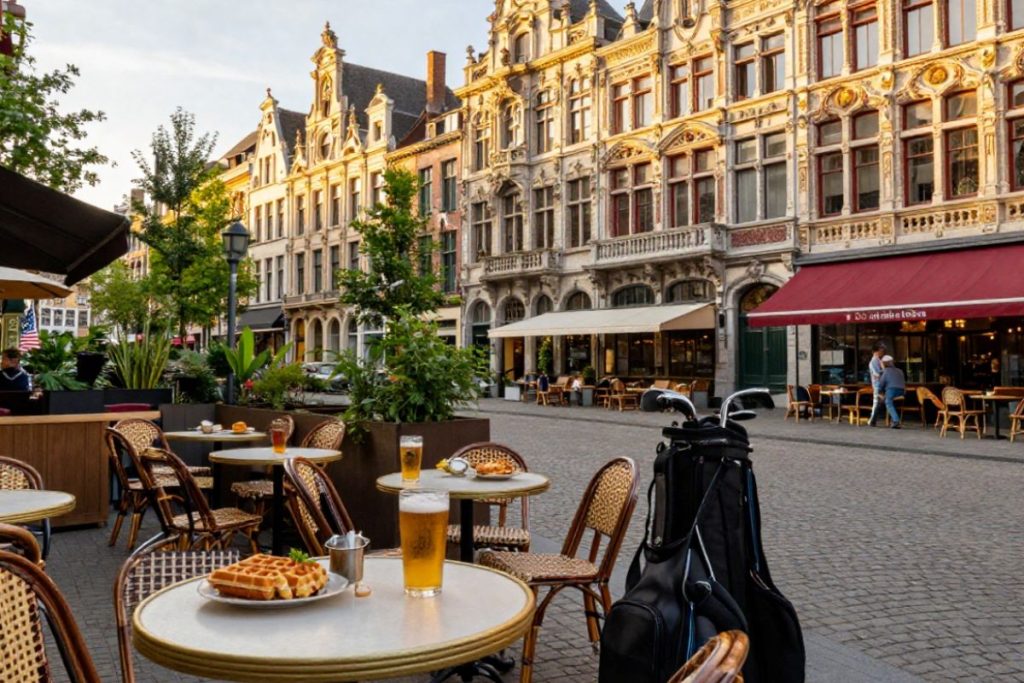
Antwerp is the kind of city that rewards curiosity. You can spend the morning standing beneath Gothic stonework, the afternoon browsing design shops or tasting local beer, and the evening lingering over a meal that feels both distinctly Flemish and unmistakably modern. For travelers who enjoy golf as part of their leisure time, that rhythm opens up an appealing possibility. A city break does not have to be all museums or all sports. In Antwerp, it can be a balanced mix of culture, food, walking, and a well placed round or practice session that adds fresh air and movement to the trip without taking over the whole schedule.
The best version of this kind of getaway treats golf as one ingredient in a larger urban experience. It is not about flying in, rushing to a course, and missing the city itself. It is about using golf the way you might use a long park walk or a riverside bike ride, as a pleasurable part of the day that fits around galleries, cafés, markets, and memorable dinners. Antwerp is especially well suited to that approach because its food culture is strong, its neighborhoods are easy to navigate, and its major attractions are close enough to combine into a flexible itinerary that still leaves room for a few hours on the fairway or the range.
Quick Summary
- Build your Antwerp city break around three pillars: local food, walkable cultural districts, and one or two golf sessions rather than a golf only schedule.
- Use mornings for museums or old town sights, afternoons for neighborhood food stops or shopping, and place golf where it adds breathing room to the trip.
- Choose internal city experiences that reflect Antwerp’s character, from local cuisine and coffee culture to the historic center and riverside atmosphere.
- Keep the pace realistic. One round or one practice session is often enough to make a city holiday feel active without crowding out the rest of Antwerp.
Why Antwerp works so well for a food and golf city break
Some cities are best for a museum marathon. Others are ideal for nightlife or shopping. Antwerp stands out because it is compact enough for a short trip, yet layered enough to keep every day feeling different. You have grand historic architecture around the old center, a strong fashion identity, a lively café scene, a deep port history, and a food culture that stretches from old school Flemish comfort dishes to polished contemporary dining. That mix makes it easy to build days with contrast. A traveler can spend the first half of the day indoors, taking in art or history, and the second half outdoors, either on a golf course, in a green space, or wandering between dinner stops.
Golf fits neatly into this framework because it brings a different pace to an urban break. City trips can become dense very quickly. There is always another museum, another shop, another place to eat. A golf session introduces a useful pause. It gives you a stretch of time away from crowds and screens, and it can sharpen the rest of the day rather than interrupt it. If you enjoy working on your game while traveling, it helps to think of that session as a complement to the city. That is why practical resources such as 1 can be useful before you leave, especially if you want to keep your session focused and leave plenty of time for the cultural side of the trip.
Antwerp also rewards travelers who like structure without rigidity. You can plan a lunch around regional specialties, reserve a museum, and still keep the evening open for a spontaneous beer bar or a late walk by the Scheldt. That flexibility matters if golf is only one part of the holiday. Rather than building the entire trip around tee times, you can choose one morning or afternoon for golf and let the rest of the break follow Antwerp’s own rhythm.
Start with the food, because it shapes the rest of the itinerary
If your goal is to build a city break around food culture and golf, food should be the first layer of planning. It influences where you stay, which neighborhoods you prioritize, and how you pace each day. Antwerp’s culinary appeal is not limited to one type of meal. You can have a quick pastry and coffee in the morning, a market lunch or a casual bistro in the middle of the day, and a more polished dinner in the evening. That variety is ideal for short trips because it allows you to keep one meal light if you have a golf session planned, then turn dinner into the event of the day.
A smart approach is to anchor the trip around the city’s most distinctive tastes rather than trying to cover every trend. Traditional Flemish dishes, seafood, Belgian beer, fries done properly, chocolate, and seasonal produce all belong on the list. If you want a strong overview of what the city does well on the plate, Antwerp’s local cuisine scene gives you a natural starting point for planning lunches and dinners around neighborhoods you already intend to visit. This keeps meals integrated into the trip rather than treated as afterthoughts squeezed in between attractions.
Food planning also helps you avoid one of the most common city break mistakes, overloading the middle of the day. If you book a heavy lunch and a full afternoon museum schedule, you may have little energy left for anything active. By contrast, a lighter lunch on your golf day can work beautifully. Save the longer, more indulgent dinner for after the round. Antwerp is a good city for this because dining can become part of the reward structure of the day. A walk back into the center after golf, followed by a slow dinner and a local beer, feels much more satisfying than trying to rush straight from one reservation to the next.
Map your days by neighborhood, not by checklist
One of the easiest ways to make a city break feel smooth is to organize it geographically. Antwerp is full of worthwhile places, but the pleasure of the city often lies in how naturally one area leads to another. Instead of making a giant list of attractions and bouncing across town, group each day around a district or a clear route. That allows you to leave room for a long lunch, a coffee break, or a detour into a bakery without feeling that the schedule is collapsing.
In practical terms, that might mean one day focused on the historic center and surrounding streets, another centered on museums and the riverfront, and a third that combines a golf session with lighter cultural stops. A city break should have texture. You want moments of activity, but you also want moments of drift, the kind where you notice a food market, a chocolate shop window, or a quiet square that was not in your original plan. Antwerp is particularly good for that style of travel because its core attractions sit within a city that still feels lived in rather than staged.
Neighborhood planning is also what allows golf to fit without dominating the holiday. If you know that one part of the day is already devoted to a specific area and a specific meal, you can see clearly where a golf session belongs. It might sit on the edge of a quieter day, or on a morning where you have only one major cultural stop planned. What matters is that it feels inserted with intention, not forced in as an obligation.
A practical way to divide your city break
For most travelers, the easiest model is a three part day. Use the morning for a cultural attraction or a long neighborhood walk, the afternoon for either golf or a food led activity, and the evening for a meal that gives the day a proper sense of place. That structure keeps the trip varied without making it frantic. It also prevents the common problem of treating golf as a full day commitment when your real aim is to enjoy Antwerp as a whole.
- Morning for heritage and atmosphere.
Choose one major sight, such as a museum, cathedral area, or historic quarter, and pair it with breakfast or coffee nearby. This is when the city feels fresh and manageable. - Afternoon for your active block.
If golf is on the agenda, place it here or in the late morning. If not, use the slot for a bike ride, market visit, brewery stop, or shopping district. - Evening for a meal with personality.
Keep dinner as the emotional center of the day. Antwerp is too strong a food city to treat dinner as fuel alone.
This format is effective because it creates momentum. You wake up with a clear plan, but you are never locked into one mode of travel for too long. It also works well for couples or friends with slightly different interests. One person might care more about art, the other more about golf, but the day still holds space for both.
Where golf fits best in an Antwerp itinerary
The biggest planning question is not whether golf belongs on a city break, but how much of it belongs there. For a short Antwerp trip, less is usually more. One round or one dedicated practice session is often enough. That gives you the satisfaction of playing without turning the holiday into a logistical exercise. If you are staying for three or four days, aim for one substantial golf block and perhaps a second lighter one if you still have the appetite and energy for it.
What makes this work is restraint. The city itself already offers a lot. You may want to see a museum, browse shops, sit over lunch, stop for coffee, and leave room for evening drinks. A golf session should support that pace, not compete with it. Think of it as the trip’s active reset button. It changes the scenery, gives your body a different kind of movement, and often makes the food and cultural parts of the day feel even more rewarding afterward.
There is also a psychological benefit to placing golf strategically. If you schedule it too early and too often, you risk comparing the whole trip to a golf holiday and feeling that the city bits are getting in the way. If you place it later, once you have already absorbed some of Antwerp’s atmosphere, it becomes part of the city break rather than a separate agenda item. You have already tasted the place, and golf simply becomes another lens through which to enjoy the day.
Build meals around the energy demands of the day
Food culture is not just about where to eat. It is also about when and how you eat if you want the whole trip to feel good. Golf days and museum days do not call for the same rhythm. On a heavy sightseeing day, a substantial lunch can be a pleasure. You are likely walking, stopping, and browsing at your own pace. On a golf day, a lighter midday meal is usually smarter, especially if you plan to play in the afternoon. Save the richer dishes and longer meal for later when you can actually enjoy them without rushing or feeling overfull.
This is one reason Antwerp’s café culture matters. The city gives you plenty of ways to eat well without committing to a giant lunch. Coffee, pastries, smaller plates, and casual lunch spots can all bridge the gap between a cultural morning and a more active afternoon. Then, after golf, you can lean into the part of Antwerp that many travelers remember best: a dinner that stretches, a local beer list worth reading properly, and a dessert stop that feels fully justified.
Travelers often underestimate how much better a city feels when the food schedule matches the rest of the itinerary. It changes your mood, your energy, and even how much you notice. Instead of dragging yourself from attraction to attraction, you begin to move through the city in a way that feels natural. That matters in Antwerp because the city’s appeal lies as much in atmosphere as in headline sights.
Use culture to frame the golf, not the other way around
A good city break has a narrative. You want to feel that each day had a shape and that the trip belonged to Antwerp rather than to a generic checklist. One of the best ways to create that feeling is to let cultural experiences set the tone of the trip. Start with the city’s identity, then fit golf around it. In Antwerp, that identity includes trade history, fashion, religious architecture, maritime heritage, and a long tradition of art and craftsmanship.
That does not mean every day needs to be scholarly or intense. It simply means choosing one or two cultural anchors that give the holiday a sense of place. For many visitors, a museum and a walk through the old center will do the job. Others may prefer markets, bookstores, or neighborhood cafés that reveal how locals actually use the city. If you like a looser style of travel, a simple way to create that framework is to pick one major attraction in the morning and let the rest of the day unfold from there.
Antwerp’s museum scene is especially useful here because it gives structure without swallowing the entire day. You can easily spend a few hours with art or history, then move on to lunch and still have space for golf or another active element later on. If you want to understand how food and culture overlap in city travel, even broader organizations such as UN Tourism’s gastronomy tourism resources show why meals are often central to the way travelers experience a destination rather than simply something slotted between attractions.
Two sample Antwerp city break formats that actually feel balanced
There is no single perfect schedule, but seeing how the pieces can fit together makes the planning easier. The goal is not to copy an itinerary minute by minute. It is to understand how a food and golf break can stay grounded in the city itself.
| Trip Style | Morning | Afternoon | Evening |
|---|---|---|---|
| 3 day first visit | Historic center, cathedral area, coffee and pastry | Golf practice or short round, then rest at hotel | Classic Flemish dinner and beer tasting |
| 4 day slower trip | Museum visit and neighborhood browsing | Long lunch, shopping, riverside walk | Contemporary restaurant or wine bar |
| Golf centered compromise day | Light breakfast and quick cultural stop | Main golf session of the trip | Slow dinner, chocolate stop, evening walk |
Notice that none of these versions gives golf the entire holiday. It gets a meaningful place, but it still shares the stage with the city’s food and cultural life. That balance is what turns the trip into an Antwerp break rather than a golf trip with a few tourist add ons.
Leave room for Antwerp’s small pleasures
The temptation on a short city break is to maximize every hour. In practice, the most satisfying trips usually include a little slack. Antwerp is full of experiences that do not fit neatly into a checklist but end up defining your memory of the city. A coffee stop that becomes an hour. A second wander through a shopping street because the light has changed. A spontaneous detour into a chocolate shop. A bench by the river before dinner. Those moments matter, and they disappear if the itinerary is packed too tightly with formal plans.
This is another argument for limiting golf to a manageable role. If the active portion of the trip consumes too much time, you start sacrificing exactly the kind of city texture that makes Antwerp special. A shorter, smarter golf block leaves room for the things that create emotional depth in travel. You notice more. You eat better. You are less rushed. You are also more likely to remember the trip as a whole rather than as a blur of reservations and transport connections.
- Choose accommodation in a central area so food stops and evening walks feel easy rather than planned.
- Book only one or two must do dinners, then leave the rest flexible.
- Keep one morning light in case you want extra café time or a slower start after a late meal.
- Use golf as a reset point, not as the backbone of every day.
Turning a golf trip into an Antwerp memory
The most successful city breaks are not the ones that cram in the most activity. They are the ones that feel coherent, where the sport, the meals, and the sightseeing all seem to belong together. Antwerp makes that easier than many cities because it offers strong food culture, manageable scale, and enough variety to support different moods across the same trip. You can spend one day among museums and historic streets, another around local dishes and café stops, and another with a round of golf folded into the middle, all without losing the sense that you are experiencing one connected place.
If you approach the trip with that mindset, golf becomes an asset rather than a scheduling problem. It adds space, movement, and a different view of the day. Food gives the trip its flavor and sense of reward. The city itself provides the setting that ties everything together, from grand architecture to neighborhood character and long evenings over dinner. That is the real charm of building a city break around food culture and golf. You do not have to choose between an active holiday and a cultural one. In Antwerp, the best trip is often the one that lets both happen naturally, with enough structure to keep the days satisfying and enough freedom to let the city surprise you.