Antwerp is a city where timing quietly shapes everything. Streets feel different depending on the hour. Light changes the mood of historic buildings. Crowds ebb and return with surprising precision. Travelers who understand this rhythm experience the city with less friction and more freedom. Before planning routes or reservations, it helps to ground yourself in the time in Antwerp, since local hours influence museum access, dining patterns, and even how neighborhoods feel.
Unlike cities that run at a constant rush, Antwerp moves in gentle waves. Early hours feel reflective. Midday brings steady activity. Evenings slow again without losing energy. This daily cycle affects how each attraction feels. A cathedral at opening time feels personal. The same space at midday feels ceremonial. Understanding these shifts helps visitors choose moments that match their interests.
Quick Planning Summary
Antwerp rewards visitors who plan by hour rather than checklist. Early mornings suit historic landmarks. Late mornings fit transport hubs and shopping. Afternoons work best for museums. Evenings favor river walks and dining. Seasonal daylight and gentle jet lag pacing refine each day.
Early Mornings and Historic Landmarks
Mornings between 8:30 and 10:30 feel calm and personal in Antwerp. Streets remain quiet. Cafes open gradually. Locals move with purpose but without urgency. This window suits travelers who enjoy architecture, history, and quiet observation.
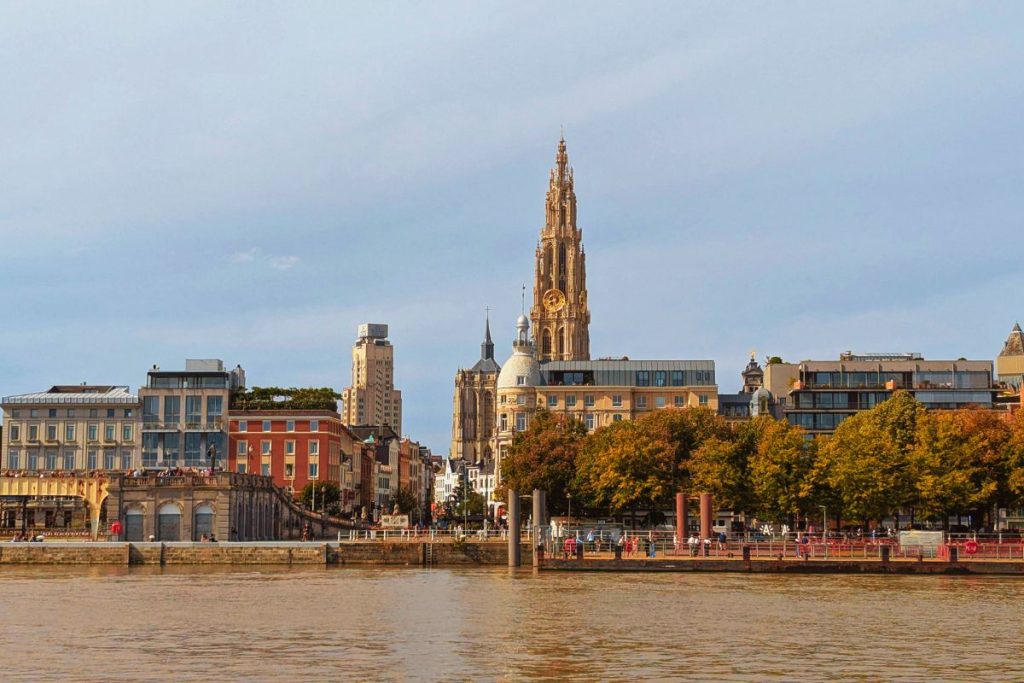
Historic landmarks feel especially rewarding at this time. The Cathedral of Our Lady reveals its scale more clearly before tour groups arrive. Stone carvings, side chapels, and artwork feel easier to appreciate without background noise. The same applies to early walks near Het Steen Castle, where the riverfront feels almost private in the first hours of the day.
This timing also works well for exploring medieval streets near the old town. Narrow lanes feel easier to navigate before crowds form. Early light highlights textures in brick and stone. These walks help first time visitors build a mental map of the city before it becomes busier.
Late Morning Movement and Urban Life
From 11:00 to 13:00, Antwerp feels fully awake. Shops open completely. Streets fill with both locals and visitors. This period balances activity and accessibility, making it ideal for areas that benefit from movement rather than silence.
Antwerp Central Station stands out during these hours. Natural light pours into the main hall. Trains arrive and depart in a steady rhythm. The building feels alive rather than static. Experiencing this moment connects naturally with the story behind Antwerp Central Station, which functions as both architectural landmark and working transport hub.
Late morning also suits shopping streets such as Meir and nearby side roads. Stores are fully staffed. Shelves are freshly arranged. The pace feels active without becoming overwhelming. This window works well for combining sightseeing with browsing local boutiques.
Afternoons and Museum Visits
Afternoons from 13:30 to 16:30 favor indoor attractions. Lunch crowds fade. Museums settle into predictable rhythms. This is the best window for visitors who want to spend time rather than rush through galleries.
Several museums benefit from this timing. Museum aan de Stroom feels calmer once midday crowds thin out, allowing visitors to move slowly between exhibits and river views. The Rubenshuis also works well in the early afternoon, when rooms feel less compressed and visitors can absorb details without pressure.
Art focused travelers often plan M HKA or the Diamond Museum during this period. The lighting feels balanced. Visitor flow becomes steadier. Audio guides and signage are easier to follow without interruption. Afternoons suit deeper engagement rather than surface level viewing.
Late Afternoon Breaks and Cafes
Between 16:30 and 17:30, Antwerp naturally invites a pause. Museums begin winding down. Shops prepare for evening shifts. This hour suits coffee culture and relaxed stops.
Neighborhood cafes feel especially welcoming at this time. Locals take short breaks before heading home. Seating opens up again after lunch. Visitors who pause here often regain energy for evening plans rather than pushing through fatigue.
This is also a good window for quieter attractions such as bookstores, vintage shops, or small galleries that reward browsing without time pressure.
Evenings and Riverfront Atmosphere
After 17:30, Antwerp softens. Office workers leave the center. Streets become conversational rather than hurried. This is not the time for packed itineraries but for atmosphere.
Evening walks along the Scheldt feel especially rewarding. Light reflects off water and stone. River cruises depart during this window, offering relaxed views rather than daytime bustle. These moments feel social without becoming crowded.
Dining also follows a local rhythm. Many restaurants open fully after 18:00. Arriving slightly later creates a warmer atmosphere shaped by locals rather than early diners. This timing often improves both service and mood.
Seasonal Timing and Daylight Shifts
Antwerp changes character across seasons. Summer stretches evenings long past dinner. Winter compresses sightseeing into shorter daylight windows. Spring and autumn strike a comfortable balance. Visitors who adapt expectations enjoy each season more fully.
| Season | Ideal Hours | Highlights |
|---|---|---|
| Spring | 10:00 to 18:00 | Gardens, walking routes |
| Summer | 9:00 to 21:00 | Riverfront, long evenings |
| Autumn | 10:30 to 17:30 | Museums, warm colors |
| Winter | 11:00 to 16:00 | Indoor culture, cafes |
Planning Across Belgium
Many visitors pair Antwerp with other Belgian cities such as Brussels or Ghent. Trains run frequently, yet timing still matters. Checking the current time in Brussels helps align departure and arrival plans, especially when coordinating museum tickets, guided tours, or dinner reservations.
Small timing mismatches can ripple through a day. Being aware of local hours keeps transitions smooth and avoids unnecessary waiting between cities.
Matching Attractions to the Clock
Different attractions respond differently to the clock. Understanding this prevents frustration and improves pacing.
1) Cathedral of Our Lady and Het Steen Castle feel best at opening hours.
2) Museums such as MAS, Rubenshuis, and M HKA suit early to mid afternoon visits.
3) Shopping streets like Meir feel balanced late in the morning.
4) Scheldt river walks and cruises shine during early evening light.
Spacing these moments across days creates variety without exhaustion and leaves room for spontaneous detours.
Weather Awareness and Flexible Days
Belgian weather changes quickly. Light rain and cloud cover appear without warning. Flexible planning keeps days productive even when conditions shift.
Seasonal context from the Belgium climate overview helps visitors set realistic expectations for daylight and temperature without rigid schedules.
Indoor attractions balance unpredictable afternoons, while brighter mornings remain ideal for walking routes and outdoor spaces.
Ending Each Day with Ease
Antwerp offers its best moments to visitors who respect its pace. Early starts reward curiosity. Afternoons deepen understanding. Evenings soften impressions. Time awareness shapes how the city feels rather than how much is seen.
By aligning plans with local hours, visitors move calmly and notice more. The city opens gradually, leaving space for personal moments that linger long after departure.